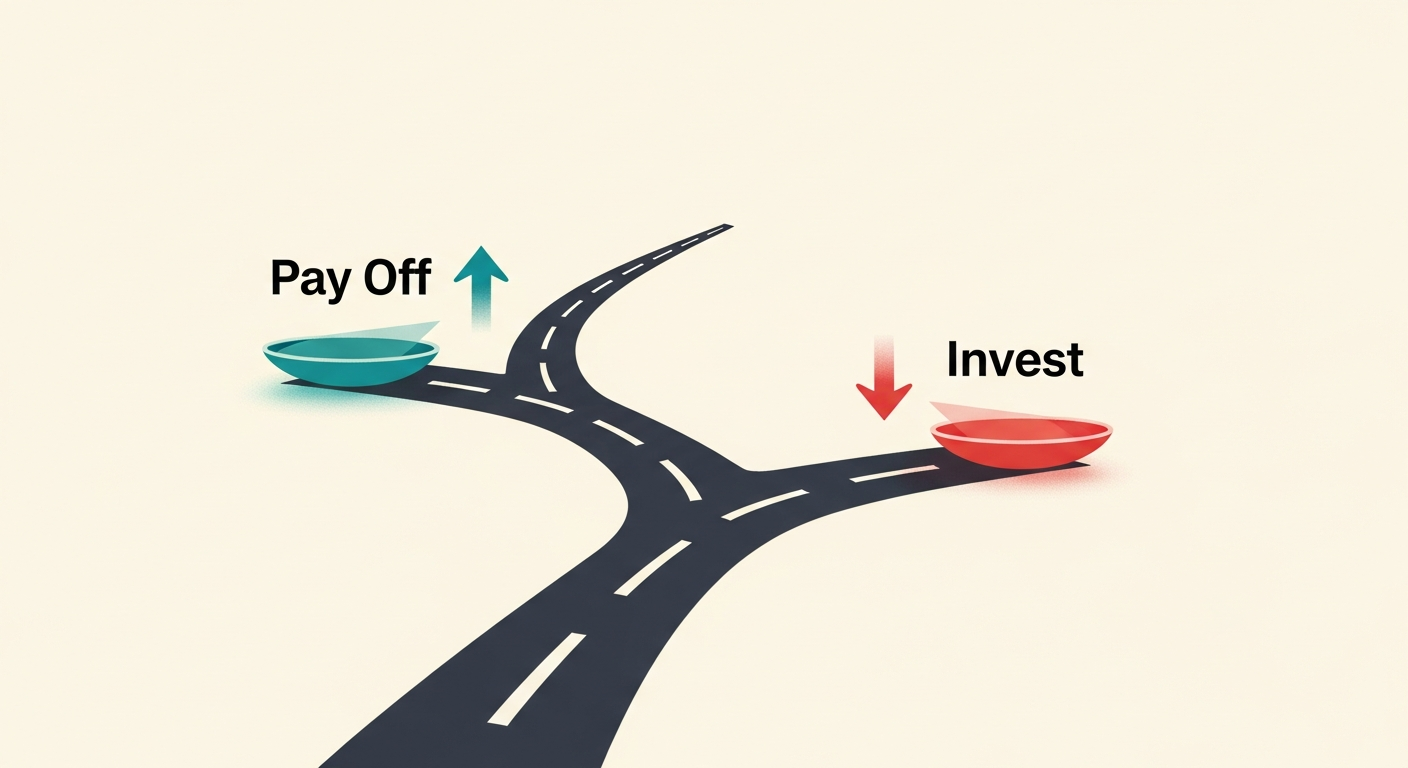
Should You Pay Off Your Mortgage Early?
← Back to all postsI get this question from clients pretty regularly, especially from people who are a few years into their loan and feeling good about their finances. The idea of being mortgage-free is genuinely appealing. The right answer, however, depends entirely on your rate and what you would do with the money otherwise.
Inspired by: The Economist, February 13, 2025
The Case For Paying It Off
If your rate is 6.5% or higher, every extra dollar you put toward principal earns you a guaranteed 6.5% return. That is risk-free. No market volatility, no timing risk, just a certain reduction in the interest you will owe over time. In today's environment, that is actually a decent return compared to what you would get from a savings account.
There is also the psychological side of it. Some people just sleep better without debt. That is real and I do not dismiss it. Peace of mind has value. If carrying a mortgage is genuinely stressful for you, knocking it out faster might be worth it even if the pure math does not add up.
And there is a practical risk argument: if you lose your job or hit a rough patch, having a smaller mortgage balance, or no mortgage at all, reduces how much you are on the hook for every month.
The Case Against
Here is the thing. If you have a rate below 4-4.5%, the math very likely favors investing that extra cash rather than paying down the mortgage. The S&P 500 has historically returned around 8% annually over the long run. Your mortgage at 3% is cheap debt; some would argue you should carry it as long as possible and put every extra dollar to work in the market instead.
There is also a liquidity issue. Once you put money into your home by paying down principal, it is locked in. You cannot easily get it out unless you sell or borrow against the house. If something unexpected comes up, such as medical bills, job loss or a business opportunity, that equity is not liquid. Keeping money in an investment account means it is accessible. Your paid-down mortgage is not.
My Simple Rule of Thumb
Here is how I think about it:
- Under 4%: Probably invest the extra money. Your mortgage is cheap. Let the market work for you.
- 4% to 6%: Dealer's choice. Do whatever lets you sleep at night. The difference is not dramatic either way.
- Above 6.5%: Seriously consider making extra payments. The guaranteed return starts to look attractive.
And regardless of which path you choose, please do not neglect your emergency fund to pay down a mortgage. Liquidity matters. A fully paid-off house does not help you if you have no cash and a car breaks down.
One More Thing
If you are thinking about this, it is worth a quick conversation with your CPA or financial advisor. Everyone's tax situation and investment picture is different. I would rather you make this call with the full picture than just go on instinct. My job is the mortgage side; I am happy to help you think through what your rate and loan structure look like and whether a refinance or different loan term might make more sense first.
Feel free to reach out anytime.
Rates shown are for illustrative purposes only and are not a commitment to lend. Actual rates depend on credit profile, loan type, property type and market conditions. Not all borrowers will qualify.